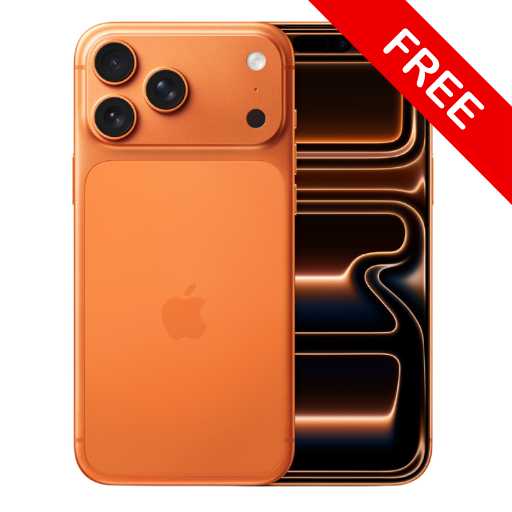
If you’ve been following me for a while, you already know I’ve been using iPhones for years, right from the iPhone 11 Pro Max days.
iPhone 17 Pro Max
- ✔ Big Display + Smooth Performance
- ✔ Long Battery Backup + Fast Charging
- ✔ High Quality Camera + Clear Photos
Last year, I spent an entire year with the iPhone 16 Pro Max — loved it, but like every techie, I was curious to see what Apple could possibly improve this time. So when the iPhone 17 Pro Max came in, I jumped right in, especially to test what Apple calls its biggest camera upgrade yet.
Now that I’ve used it for a few weeks in real-world Indian conditions — bright sunlight, dusty streets, low-light cafes, and even a few wedding events — here’s my honest take. Not the “spec-sheet talk”, but the actual experience of shooting with this phone.
First Impressions of iPhone 17 Pro: The Look and Feel
Let’s start with the basics. The design looks very familiar, though a bit lighter in hand compared to the 16 Pro Max. But honestly, that premium heft — that feeling that you’re holding a 1.5 lakh phone — feels slightly reduced this time. Build quality is still top-notch, no doubt, but somehow, the texture doesn’t feel as “Pro” as before.
That said, once you open the camera app, the story changes completely. The phone now packs three 48MP lenses — yes, all three are 48MP this year, including the new telephoto lens. That immediately got me curious because for years, Apple kept the telephoto sensor at 12MP. Now it’s finally on par with the others, and that makes a big difference.
The Big Upgrade: A 48MP Telephoto That Actually Impresses
Apple changed the telephoto zoom from 5X to 4X this year. Sounds like a downgrade, right? But wait till you see the results. The company now claims you can get “8X optical quality zoom” — which technically mimics a 200mm focal length.
In my tests, photos taken at 4X zoom are incredibly sharp. Even when zooming to 8X, details hold up surprisingly well — especially for non-human subjects like architecture, flowers, or pets. The colors are realistic, not overly processed.
If you shoot people, though, iPhone’s approach remains the same: it doesn’t smoothen faces or brighten tones artificially. So if you’re used to Samsung or Vivo’s “ready-for-Instagram” kind of photos, iPhone might feel a bit raw. But honestly, that’s the charm — it looks real, like you’re seeing the person in front of you.
Primary and Ultra-Wide Cameras: Familiar Yet Refined
Now, let’s talk about the main and ultra-wide cameras. The primary 48MP sensor still delivers that classic iPhone look — high contrast, balanced highlights, and plenty of detail. However, one thing that’s still not perfect is the shadow handling. You’ll notice that darker areas tend to lose details, especially in scenes with strong backlight or sunsets.
Colors continue to lean on the natural side — not punchy like Vivo or Oppo, but more true-to-life. Personally, I like this tone because it gives more room for editing later.
The ultra-wide camera captures a noticeably wider frame this year, which is great for landscapes or city shots. But again, shadows are slightly crushed, and dynamic range could have been better. The good news? Edge sharpness has improved a lot. Earlier generations used to blur the corners, but the 17 Pro Max maintains clarity across the entire image.
Selfie Camera: Finally Feels Modern
The front camera now jumps from 12MP to 18MP, and that’s a noticeable upgrade. The photos are sharper, wider, and capture more people in one frame — perfect for group selfies. Apple has added something called “Center Stage,” which automatically adjusts framing when shooting videos.
The interesting part? You can now shoot front camera videos in both vertical and horizontal formats, thanks to the new “open gate” capture mode. It’s handy for creators who post on both Reels and YouTube Shorts.
Selfies have that classic iPhone tone — a bit warm, very natural, and not overly filtered. Skin texture looks real, not plasticky. Portrait selfies also have better edge detection this time, though not perfect yet.
Portrait Mode: Slightly Better, Still Not the Best
Apple’s portrait mode has always had a very specific character. It keeps the subject natural, doesn’t overexpose the face, and gives a soft, cinematic falloff. This year, edge detection has slightly improved, especially in telephoto portraits. Still, if you compare it to what Vivo X200 or Samsung S24 Ultra can do, iPhone’s edge cutout feels a bit soft.
However, I really appreciate how consistent the color and brightness are between portrait and regular photos. You can take a portrait shot in harsh daylight, and your skin tones won’t look overexposed. That’s the kind of subtle realism Apple does best.
Low Light Photography: Still Apple’s Weak Spot
Alright, let’s be honest — night photography on the iPhone 17 Pro Max isn’t mind-blowing. While details are sharp and colors remain consistent, shadows get crushed too easily. The photos look dramatic but often darker than what your eyes actually see.
The ultra-wide struggles even more in low light. The images tend to be underexposed with visible noise. I was expecting a noticeable jump this year, but honestly, the difference is minor. If you shoot a lot in dim Indian wedding halls or cafes, you might feel this limitation.
So yes, it’s decent — but not class-leading anymore. Chinese flagships in half the price bracket have started doing better in night shots.
Macro Photography: Just Okay
Macro mode still relies on the ultra-wide lens. You can go very close to subjects, and the center of the image is sharp, but edges become soft. It works fine for casual close-ups, but it doesn’t feel “Pro” enough for a phone this expensive. I expected Apple to enable macro through the telephoto lens like Vivo does, but that didn’t happen.
Video Performance: Still King of Consistency
Now this is where Apple still rules the game. Video from the iPhone 17 Pro Max is silky smooth, stable, and visually rich. Whether I was walking down Delhi’s busy streets or panning across a sunset at Goa beach, the footage came out stunning.
You can shoot up to 4K 120fps, but most of the time I recorded in 4K 60fps. The white balance and exposure adaptation are almost flawless. Even when moving from sunlight into shade, the shift looks natural. Low-light videos are better than still photos — noise is visible but well-controlled. However, lens flare still exists, especially near streetlights.
Apple also introduced ProRes RAW video recording this year. It’s meant for professionals who color grade their footage later. It’s fantastic, but you’ll need an external SSD to use it — not the most convenient setup for casual vloggers.
Cinematic Mode: A Creator’s Delight
Cinematic mode continues to be one of my favorite features. It’s smoother now and supports 4K 30fps recording. Focus transitions look more natural, and subject isolation has improved. I’ve used it in a few short films and even product videos — it adds that subtle depth-of-field look without needing a DSLR. If you’re a YouTuber, content creator, or someone who likes making short videos, this mode can seriously elevate your visuals.
In-Hand Feel and Final Verdict
Now here’s the twist — despite all these camera improvements, the iPhone 17 Pro Max doesn’t feel like a “giant leap” from the 16 Pro Max. The upgrades are solid but subtle. The telephoto is much better, selfies are improved, and video remains unbeatable. But low-light photography still lags, and the overall look of the phone feels a bit less premium than before.So who should buy it?
If you’re coming from a 15 or older iPhone, this is a great upgrade. But if you already have a 16 Pro Max, the jump doesn’t feel worth spending another 1.5–2 lakh.
For vloggers, YouTubers, and mobile filmmakers — absolutely yes, go for it. It’s still the most reliable camera phone for video work. But for photography-first users, there are more exciting options in the Android world now.
Conclusion: The iPhone 17 Pro Max Is Still the Video King
To sum it up — the iPhone 17 Pro Max might not be a revolutionary camera phone, but it’s definitely the most dependable one. The photo quality feels real, the videos are buttery smooth, and the consistency is unmatched.
If you love natural-looking photos and want cinematic videos without extra gear, you’ll love this phone. Just don’t expect magic in low light or macro shots. At the end of the day, it’s still an iPhone — elegant, powerful, and effortlessly reliable.